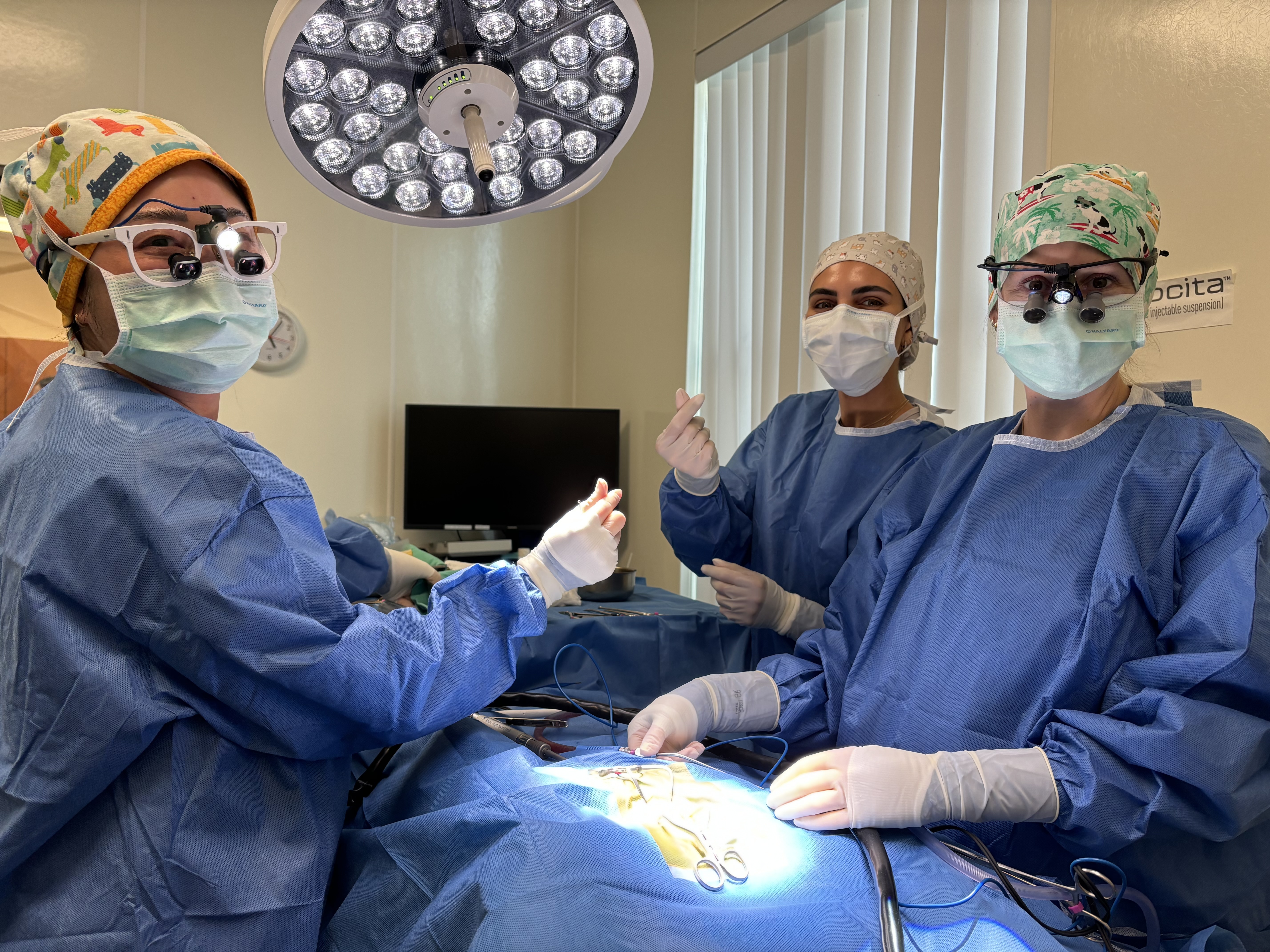
Dr. Yenlie Furman
DVM, MS, Dip. ACVIM
Board-certified specialist in Veterinary Neurology
“Neurology can seem daunting at first, but when you break down the exam and localization, it truly starts to make sense.”
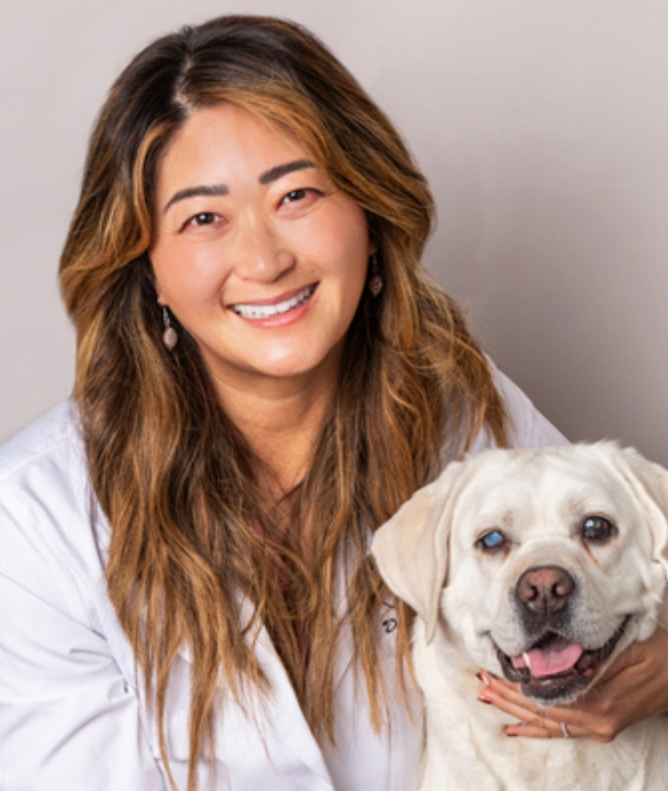
Dr. Yenlie Furman is a board-certified veterinary neurologist currently working at Veterinary Neurology Center in Tustin, California.
She received her Bachelor of Science in Neurophysiology from the University of California, Davis. She then earned her Doctor of Veterinary Medicine from the UC Davis School of Veterinary Medicine in 2012.
After graduating, Dr. Furman completed a one-year rotating small animal internship at Veterinary Medical Surgical Group in Ventura, California. She then completed a three-year residency in small animal neurology and neurosurgery at Colorado State University.
Dr. Furman also has a Master’s degree in Clinical Sciences from Colorado State University.
She has been practicing since 2016 and is board certified by the American College of Veterinary Internal Medicine in Neurology.
Her clinical experience includes roles as a neurologist at California Veterinary Specialists and as a veterinary neurologist at Veterinary Neurology Center. Her work combines medical neurology, neurosurgery, advanced imaging, and long-term patient care.
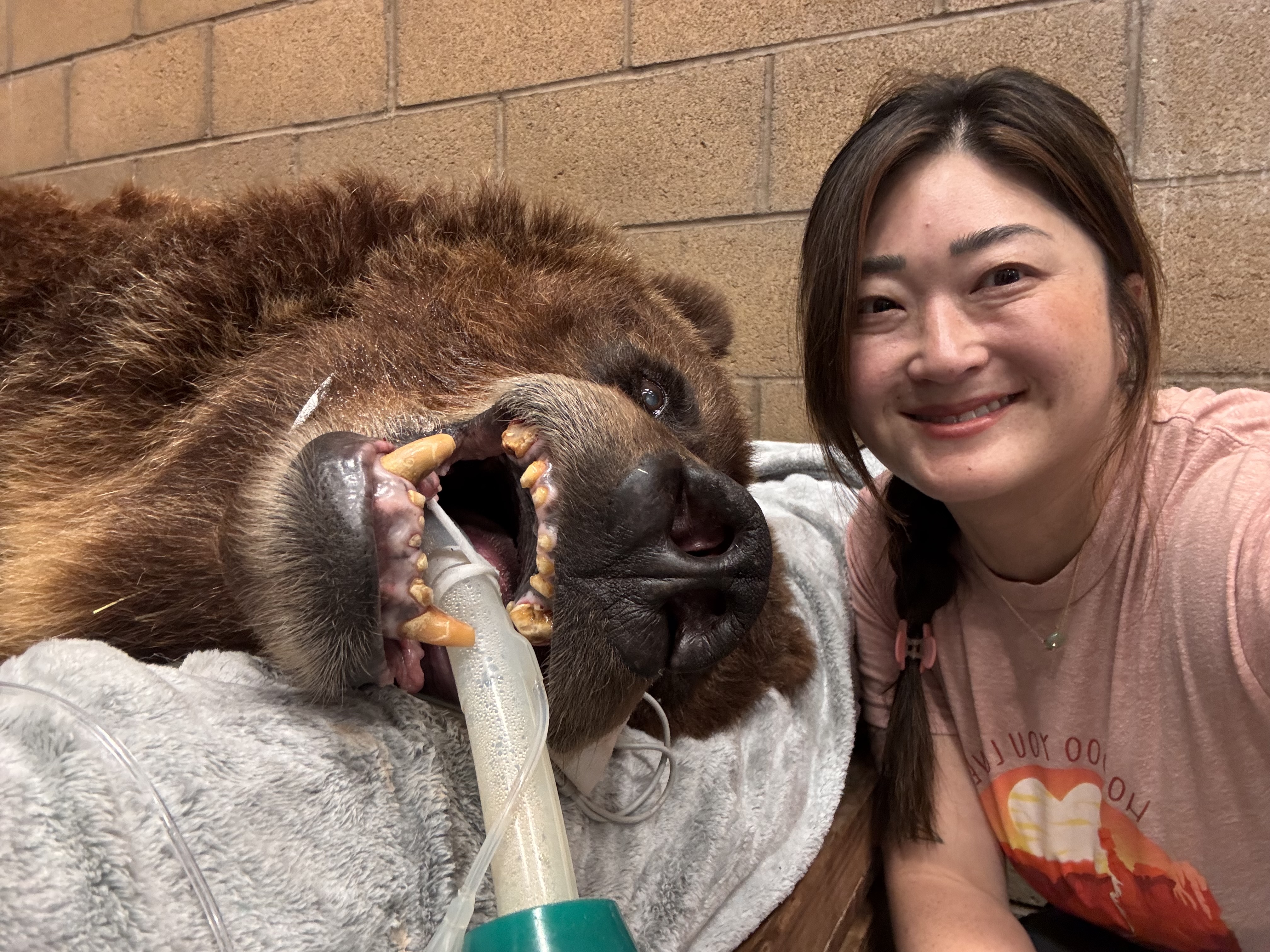
Dr. Furman is passionate about helping veterinarians feel more confident with neurological patients, from the first neurological exam through to localization, diagnosis, treatment planning, and client communication.
Get to Know Your Mentor
We asked Dr. Furman a few thoughtful, and a few fun, questions to help you get to know her as both a clinician and a human.
From the cases that shaped her confidence to the one simple piece of equipment she can’t live without, this is your backstage pass into what drives her, how she works, and why she is passionate about making neurology feel less intimidating for other vets.
Veterinary neurology offers a perfect balance between medicine and surgery, which I find incredibly fulfilling.
It allows me to address acute issues with surgical interventions, often providing quick relief for patients, while also maintaining long-term relationships with patients who require ongoing medical management.
The logical nature of neurology is also something I find very rewarding. With a thorough clinical exam, I can often pinpoint the source of the problem, which is both intellectually stimulating and clinically useful.
I also appreciate the role I play as a guide for patients. With the help of advanced imaging, like MRI, I can diagnose the issue and then direct patients to the appropriate specialists for further treatment, such as radiation therapy or surgery.
This holistic approach allows me to make a tangible difference in the lives of both animals and their families.
Mentoring is incredibly important to me because it helps demystify veterinary neurology for students and colleagues.
Neurology can seem daunting at first, but when you break down the exam and localization, it truly starts to make sense.
By mentoring others, I have the opportunity to help students gain a deeper understanding of neurology, giving them the confidence to discuss pathology with clients in a clear and accessible way.
This not only empowers clients to make informed decisions about their pets’ care, but also ensures that referrals for imaging are more comprehensive and accurate.
Mentoring has shaped my career by fostering a culture of collaboration and knowledge-sharing, which ultimately leads to better outcomes for patients and more effective communication across the veterinary team.
One pivotal experience that boosted my confidence as a neurologist occurred early in my career as a specialist.
I encountered a very sick dog that was mentally inappropriate and showing signs of severe neurological distress. After conducting an MRI, I diagnosed the dog with bacterial meningitis, with classic imaging characteristics.
Given the severity of the condition, I recommended performing a craniotomy to remove the purulent material and irrigate the area, to maximize the chances of survival.
This was the first time I performed a craniotomy without supervision. Although it was a daunting experience, I successfully carried out the procedure.
The dog’s condition improved dramatically following surgery and treatment, and the positive outcome reinforced my ability and confidence in performing complex procedures.
It was a defining moment that solidified my trust in my skills as a neurologist.
Favorite: Helping dogs walk.
Least favorite: Diagnostic uncertainty.
Biggest misconception: Neurology is daunting.
I’ve scrubbed in and assisted on a thoracotomy.
I know how to do pregnancy checks in cows.
I wanted to be a small animal radiologist.
A pen light.
For me, work-life balance is about having time and space outside of work to nurture my personal life and hobbies.
I believe it is essential not to take work personally, as it is only one part of who I am. Having fulfilling activities outside of work, such as ceramics and hiking, allows me to recharge and maintain perspective.
I make time for exercise and focus on recovery, ensuring that I can be my best, both personally and professionally.
While my work is incredibly important to me and something I am passionate about, it does not define me. Balance means creating room for all the things that bring me joy and fulfillment.
A 200 pound Rottweiler that needed a C7-T1 dorsal laminectomy for a chronic disc protrusion. He recovered well, but that was a lot of muscle to dissect.
Passing Neurology boards and helping a cat with a brain tumor walk again.
Whether she is helping a patient walk again, guiding a family through a difficult diagnosis, or teaching vets how to approach neurological cases with more confidence, Dr. Furman brings clarity, clinical reasoning, and compassion to every case.
As a board-certified veterinary neurologist with experience in both medical neurology and neurosurgery, she is here to help you make sense of neurological cases one step at a time.
Ready to learn from Dr. Furman?
If you want to approach neurological cases with more confidence, clearer localization, and expert support along the way, this is your next step.