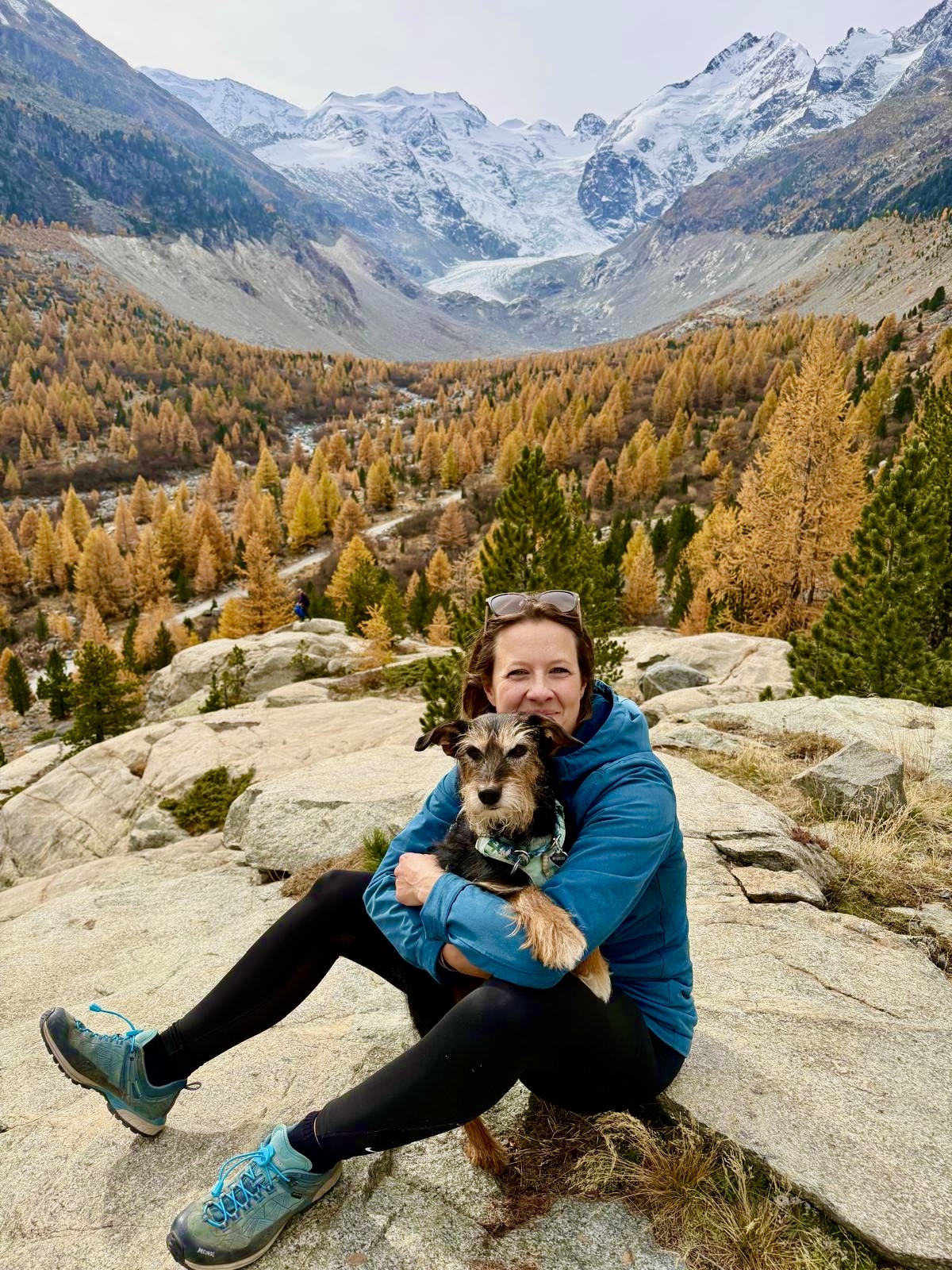
Dr. Julia Prümmer
DVM
Diplomate of Veterinary Neurology
“At some point you get to read the patient before doing any further diagnostics, and this is what still amazes me every day.”
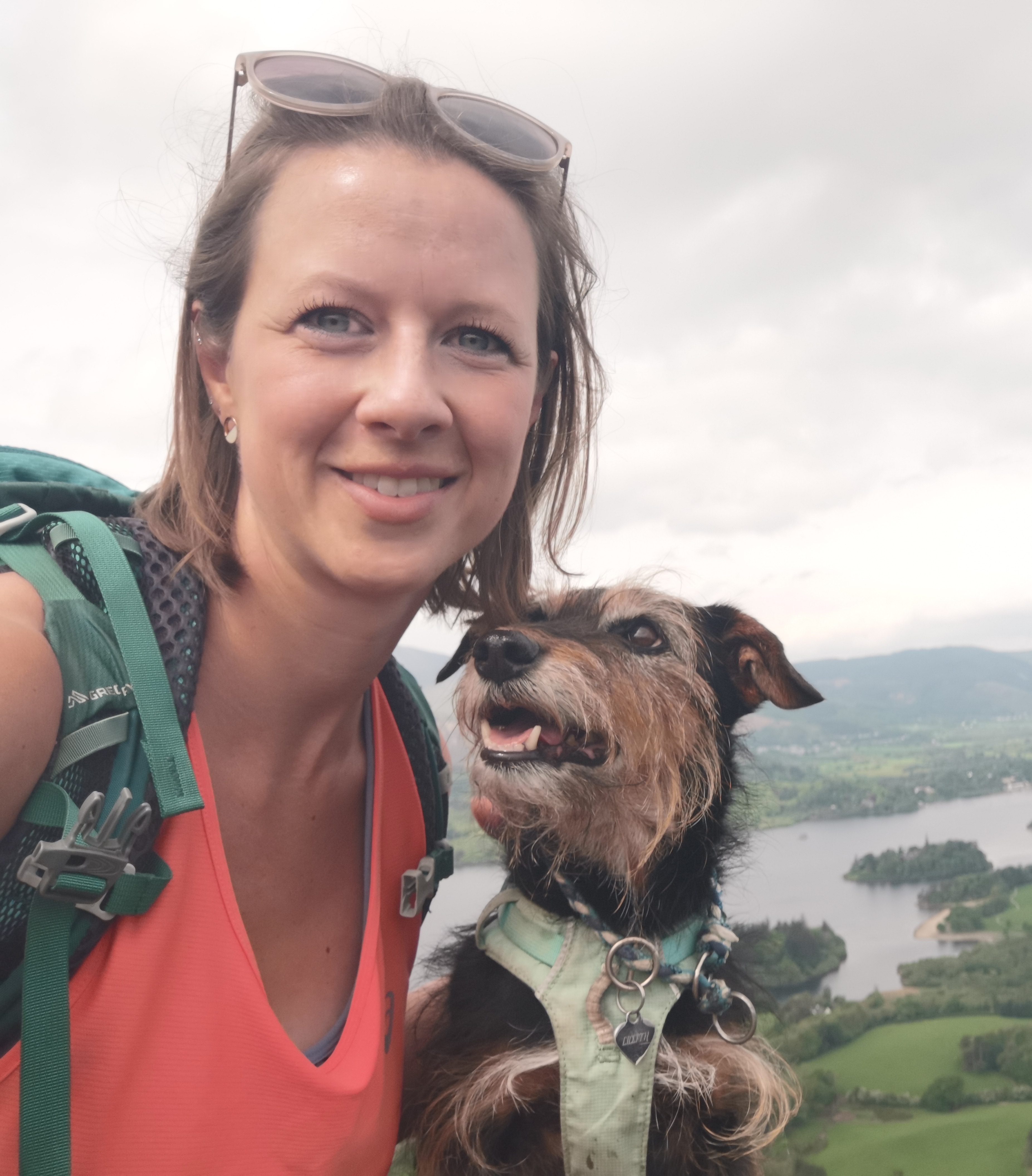
Dr. Julia Prümmer is a senior clinician in veterinary neurology, currently working at a large private specialty clinic near Zurich, Switzerland. She was born in January 1990 in a town in South Germany, where she grew up spending her afternoons and weekends at a riding school. At nineteen, she moved to Munich to study Veterinary Medicine.
After graduating, Dr. Prümmer spent a year working in a small private practice in her hometown, followed by an externship at the Small Animal Clinic in Bern, Switzerland, to prepare for an internship there. She began her internship in Bern in April 2016, working alongside a team of six fellow interns. In her second year, she completed her doctoral thesis and began planning the next stage of her career.
Dr. Prümmer went on to complete a combined PhD and residency program in Neurology in Bern, a five-year undertaking. Her PhD research focused on inflammatory diseases of the central nervous system, specifically Meningoencephalitis of Unknown Origin, and explored its similarities to Multiple Sclerosis in humans. She went on to successfully complete her residency and became a Diplomate of Veterinary Neurology.
After finishing her residency, and taking a well-earned road trip to Scotland, Dr. Prümmer joined a large private specialty clinic close to Zurich, where she works alongside one other neurologist within a team of specialists across disciplines. She is responsible for all neurological cases at the clinic, as well as the education and training of interns and assistants. To keep teaching part of her work, she also takes on presentations and courses, including her course with The Vet Tribe.
Throughout her career, Dr. Prümmer has learned to trust herself, build confidence, and accept that not every problem can be solved. She is especially proud to have completed her residency and to call herself a Diplomate of Veterinary Neurology, a milestone that reflects years of dedication to understanding the complex pathways of the nervous system.
Get to Know Your Mentor
We asked Julia a few thoughtful (and a few fun!) questions to help you get to know her as both a clinician and a human. From her proudest career moments to the one piece of equipment she can't live without, this is your backstage pass into what drives her, how she works, and why she's excited to mentor other vets.
The fact that neurology requires a very interdisciplinary approach. You stay very open-minded, being able to take care of cases going in different directions (internal medicine, surgery, dermatology, etc.) and needing a solid foundation in all those different areas. Moreover, many cases need advanced imaging, and MRI is my preferred imaging modality. I enjoy having the opportunity to discuss cases with specialists from other fields and to manage complex cases collaboratively.
I always liked teaching, and as I am working in a private clinic now, taking on courses like this helps me to continue doing so without working at the university. I like that it pushes me to keep doing research, reading about things, and trying to keep up with the current literature and state of the art.
I don't think there's one single experience that made me feel confident as a neurologist. Rather, it was many little things, special situations, special patients, special owners, that shaped me into the person I am today (and I hope this journey continues for a long time to come).
Favorite: An interdisciplinary specialty.
Least favorite: Remembering pathways.
Biggest misconception: Being afraid.
Owner communication is one of my strong suits.
I get overly enthusiastic with patients I know longer (and which I like ;)).
I like doing research (especially the statistics part).
My brain ;) And my hammer, of course.
I define work-life balance as having enough control over my time and energy (not all consumed by my work), so I can consistently provide excellent care to my patients without sacrificing my own health, relationships, or my life outside veterinary medicine. It doesn't work perfectly 100% of the time, but I keep improving it. ;) I think it's so important to remember that we're working in a highly demanding field, one that also involves a very high mental load (both in terms of difficult and sad cases, as well as owners who don't always make life easy for us). It's okay to feel tired and exhausted sometimes, but this shouldn't be the case most evenings and weekends. That's why I've learned to prioritize my own well-being over that of my employer (which doesn't mean I neglect my patients' well-being, but maybe I stopped neglecting mine ;)).
Suri, a mixed breed dog, presented with a non-ambulatory tetraparesis (rapidly progressing to tetraplegia), diagnosed with tick-borne meningoencephalitis. I took care of her for two weeks in our hospital and became friends with the owners. She is still alive and happy today (six years later).
Receiving my diploma and being able to call myself a Diplomate of Veterinary Neurology.
Whether she's piecing together a complex neurological case or guiding the next generation of clinicians into the field, Dr. Prümmer brings both patience and precision to her work. As a Diplomate of Veterinary Neurology with years of clinical and research experience, she's here to help you build confidence where it matters most, in reading the patient.
Ready to learn from Dr Julia?
If you want to build your neurology skills with more confidence and expert support along the way, this is your next step.